Altero AI Review: The Future of AI-Powered B2B Market Research
Overview & Purpose
Altero AI is an AI-powered B2B search engine and online market research tool that uses autonomous AI agents to scan the web, aggregate data from diverse public sources, and synthesize it into detailed company research reports. These reports deliver up-to-date insights on business background, financial performance, growth trajectories, market trends, and competitive positioning, primarily to streamline due diligence processes for investors, sales teams, and analysts.
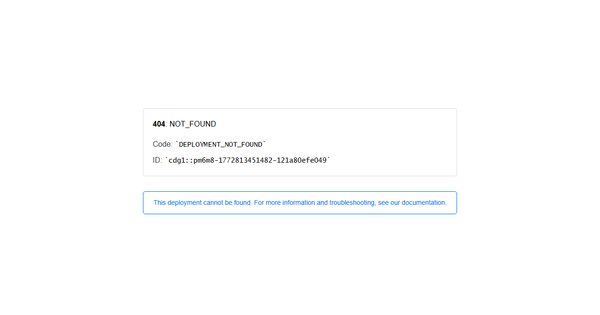
Primary use cases include generating competitive intelligence, identifying B2B leads through advanced filters, conducting market analysis, spotting similar companies, and accelerating investor due diligence or partnership evaluations. The tool targets business professionals such as sales and marketing teams (for lead generation), investors and analysts (for due diligence), market researchers, and even developers interested in source-code-related searches. As of research conducted on March 14, 2026, the official website (https://www.alteroai.com/) returns a 404 error and some directories note the product as “not launched yet,” suggesting it may still be in early or pre-launch stages despite consistent listings across AI tool platforms.
Key Features & Capabilities
Core functionality revolves around AI-agent-driven web searches that compile multi-source data into structured reports, often exportable as PDFs. Users can search companies by criteria including employee count/revenue/market cap (size), geography (city/state/country/region), similarity to reference companies (based on industry, products, customers), growth rates (revenue/user metrics), source code (for open-source alignment), and aggregated job listings. Reports include historical data access, trend insights, and synthesized market dynamics.
Standout features differentiating it from traditional tools like Crunchbase or ZoomInfo include the agentic AI synthesis (automated multi-source distillation rather than raw data dumps) and unique filters such as source-code and similarity searches, enabling deeper, context-aware lead discovery and analysis. Some listings mention browser extensions and rapid report generation in minutes.
Limitations include reliance solely on public web data (no proprietary or real-time private databases), potential for synthesis inaccuracies common to AI tools, and the absence of confirmed integrations with CRM systems or advanced analytics dashboards. No mentions of audit-ready financial modeling or custom API access in available descriptions. The current website inaccessibility further restricts verification of these capabilities.
User Experience
Descriptions across directories portray a straightforward web-based interface with a simple search bar for company names or filter combinations, followed by one-click report generation—suggesting a low learning curve suitable for non-technical users. Interface quality is implied to be clean and modern, typical of AI tool platforms, with PDF exports for easy sharing.
Documentation and support resources appear minimal; no official user guides, video tutorials, or help center were located, likely due to the site’s current status. Community support is virtually nonexistent, with no active forums or detailed FAQs in public listings. Overall UX is promising on paper but untestable in practice as of March 2026.
Performance & Reliability
Promotional materials and directory entries claim reports are generated rapidly (often within minutes) through efficient web synthesis, positioning it as more efficient than manual research. No benchmark data or speed tests are publicly available.
Known issues or complaints are scarce—searches across review platforms, Reddit, and X yielded no substantive user feedback beyond generic aggregator ratings (4.4/5 from 14 entries on one coupon site, mostly single-word “Useful” votes from 2024 with no detailed comments). No reports of downtime, inaccurate data, or crashes surfaced, but the persistent 404 on the official domain raises significant reliability concerns about actual availability and ongoing maintenance. Some directories flag it as pre-launch, which could explain limited real-world testing.
Pricing & Value
Altero AI follows a freemium model: a free tier provides limited searches (reportedly around 50 per month with up to 5 results each) for basic exploration, while paid Pro and Enterprise plans unlock unlimited searches, advanced filters, priority support, and full report features. Exact paid pricing is not publicly detailed on accessible sources (approximations in some directories suggest entry-level paid tiers starting near $49/month), with custom enterprise options available.
Value proposition lies in time savings for AI-synthesized, multi-criteria research compared to manual web searches or paid data providers; the free tier offers a low-risk entry for testing B2B leads or quick company overviews. However, without transparent pricing pages or proven accuracy benchmarks, it lags behind established alternatives like LinkedIn Sales Navigator or AlphaSense in immediate ROI. For heavy users, the automation could justify costs once fully operational, but current inaccessibility reduces perceived value.
Practical Tutorial
No official tutorials, documentation, or demo videos were available (site inaccessible and no linked resources found). Below is a practical, hypothetical step-by-step walkthrough for a common task—generating a market research report on a sample company (e.g., Tesla Inc.)—based on consistently described functionality across directories. This assumes standard access via account login on the platform when available.
-
Sign up or log in: Visit https://www.alteroai.com/ (or the active domain if restored) and create a free account using email or Google sign-in. Verify your account to unlock the free tier.
-
Initiate a search: On the dashboard, use the main search bar or advanced filters panel. Enter “Tesla” or select criteria such as industry (Automotive), location (United States), growth rate (high), and similarity to a reference like “Rivian.”
-
Refine parameters: Apply additional filters—e.g., employee count (>50,000), revenue range, job listings in engineering roles, or source-code relevance if applicable—to narrow results.
-
Generate the report: Click “Create Research Report” or “Analyze with AI Agents.” The system deploys agents to search and synthesize web data; expect completion in minutes with sections on company background, financial trends, market position, similar companies, and historical insights.
-
Review and export: Browse the interactive report (or PDF download). Key example outputs for Tesla might include synthesized revenue growth metrics, competitor comparisons (e.g., vs. BYD), trend analysis on EV market dynamics, and due-diligence flags.
-
Iterate or save: Save the report to your dashboard, export to PDF/CSV, or refine with follow-up queries for deeper dives.
For visual guidance or updates, refer to directory listings such as FutureTools or promotional articles on Medium that echo this flow. Once the platform is live, users can expect browser extension support for in-page company lookups.
Final Verdict
Overall rating: 3.5/10 (strong conceptual design tempered heavily by current unavailability and lack of verifiable user validation).
This tool should be used by early-adopter B2B sales, marketing, or investment teams seeking innovative AI automation for lead discovery and quick due-diligence overviews, especially if the free tier delivers on synthesized insights once launched. It should be avoided by anyone needing immediate, reliable access, audited data accuracy, or robust support, as established competitors offer proven alternatives without accessibility hurdles.
Altero AI holds exciting potential as an AI-agent market research accelerator but requires full operational status and real-user proof to earn broader adoption.