Baked Review: Turn AI Prompts Into Custom Print-on-Demand Merch
Overview & Purpose
Baked (baked-ai.com) is an AI-powered print-on-demand platform that uses Stable Diffusion to generate unique, one-of-a-kind images from user text prompts or uploaded reference images. Users can then instantly apply the AI-generated artwork to physical products such as t-shirts, hoodies, mugs, phone cases, posters, stickers, notebooks, and mouse pads, which are fulfilled via drop shipping. The primary use cases center on creating personalized gifts, custom apparel, home goods, or fun merch for personal enjoyment, small events, or creative expression—without needing design skills or graphic design software.
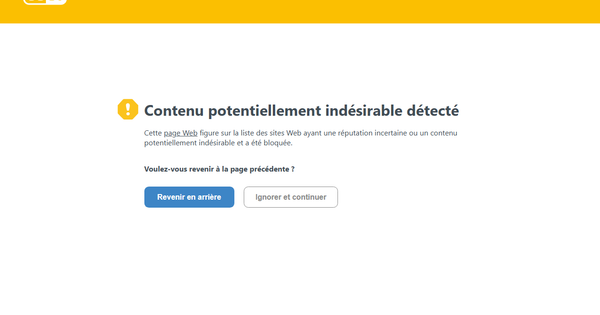
Target audience includes casual consumers, hobbyists, gift shoppers, and small business owners seeking quick custom merch rather than professional designers, marketers, or developers. It appeals to anyone wanting to turn a vague idea (“dragon riding a motorcycle”) into wearable or usable art quickly. As of the research date of April 10, 2026, the official site appears to return unrelated advertising content, suggesting the service may no longer be actively maintained or has been discontinued since its 2023 launch.
Key Features & Capabilities
Core functionality revolves around prompt-based AI image generation followed by seamless product customization and checkout. Users select a product first, enter a text description or upload an image, generate variations, review the output, and purchase. Standout features include automatic post-purchase image upscaling for better print quality, a referral program offering discounts or incentives, and fully integrated print-on-demand fulfillment that handles production and shipping.
Differentiators from pure AI image generators (like Midjourney or DALL·E) or generic print-on-demand sites (like Printful) include the end-to-end workflow: generation happens in the context of a specific product, making the art tailored for print from the start. No separate design software or manual file uploads to a separate printer are required. It emphasizes “unique” outputs per user via Stable Diffusion, avoiding stock imagery.
Limitations are notable: generation is basic (no advanced control like inpainting, multiple aspect ratios, or style references beyond simple prompts), product customization is limited to the AI image itself (no text overlays or multi-image designs), and there are no enterprise tools, API access, or batch generation. The service ships only within the US, and all orders are final with no cancellations or refunds explicitly stated.
User Experience
Ease of use is one of Baked’s strongest points, with a low learning curve suitable for non-technical users. The interface follows a straightforward linear flow: choose product → input prompt or upload image → generate → preview → checkout. No complex dashboards or accounts are required beyond basic checkout details.
Interface quality, based on archived descriptions and early user feedback, appears clean and product-focused, prioritizing quick iteration over artistic tools. Documentation is minimal—primarily in-app prompts and the support email ([email protected]). No extensive help center, video tutorials, or community forums were evident. Customer service ratings averaged 4.5/5 in sparse early reviews, with users praising simplicity.
Performance & Reliability
Generation speed is typical for Stable Diffusion-based tools (seconds to a minute per image), with the overall process from idea to checkout designed to be efficient. Print fulfillment relies on drop shipping, so delivery times align with standard US print-on-demand services (typically 5–10 business days after ordering). Image upscaling post-purchase helps mitigate common AI output issues for physical printing.
Known issues are limited due to sparse public feedback. Early 2023 reviews were overwhelmingly positive but shallow (“Cool stuff!”). Common potential complaints for similar tools include variable print quality (color accuracy, fabric feel), occasional prompt misinterpretations, and the finality of orders. No widespread reliability complaints surfaced in searches, but the apparent inactivity of the site as of 2026 raises concerns about long-term support or order fulfillment.
Pricing & Value
Baked operates on a pay-per-product model with no subscription or free tier for generations (users pay only when purchasing physical items). Example pricing from available data includes t-shirts around $27.99, mugs $19.99, phone cases $29.99, and hoodies $39.99, with free US shipping. A referral program provides additional discounts.
Value proposition is strong for convenience—one-stop creation and printing of truly unique AI art—but weaker for cost-conscious buyers, as prices sit at a premium compared to blank merch plus manual printing. Compared to alternatives like Redbubble (user-uploaded designs) or Midjourney + Printful (separate steps), Baked offers faster workflow but less flexibility and higher per-item cost. It shines for impulse custom gifts rather than bulk or professional production.
Practical Tutorial
No official video or written tutorials were available on the (now-inactive) site, but the process was consistently described across sources as simple and linear. Here is a step-by-step walkthrough for the most common task—creating a custom AI-designed t-shirt:
- Visit baked-ai.com and browse or select a product category (e.g., Apparel → T-Shirts).
- Choose your specific product (e.g., a standard unisex t-shirt).
- Enter a text prompt describing the desired image (e.g., “cyberpunk cat astronaut floating in space, vibrant neon colors, highly detailed”) or upload a reference photo.
- Click “Generate” to create unique AI variations using Stable Diffusion. Review the options and regenerate if needed.
- Select your favorite design, choose size/color, and add to cart.
- Proceed to checkout, complete payment, and receive confirmation. The system automatically upscales the image for optimal print quality.
- Track your order via email; expect US delivery in 5–10 business days.
Example real prompt used in early demos: “Easter bunny with flowers” produced themed phone cases and apparel. For best results, use descriptive, specific prompts and test variations.
Final Verdict
Overall rating: 3.5/5. Baked excels as a fun, accessible entry point for turning casual ideas into personalized physical products but is held back by limited advanced features, restrictive policies, and apparent service inactivity as of April 2026.
Who should use this tool: Casual users, gift shoppers, or hobbyists who want zero-effort custom AI merch without learning design tools or managing separate generation/print services.
Who should avoid this tool: Professional designers needing precise control, international customers, anyone requiring refunds or high-volume orders, or those seeking ongoing support from an actively maintained platform.
One-sentence recommendation: Baked is a convenient novelty for quick, unique AI-powered gifts and apparel if you’re in the US and comfortable with all-sales-final policies—but explore more robust alternatives given the service’s limited ongoing presence.