Lovalingo Review: The Best AI Translation Tool for Next.js
Overview & Purpose
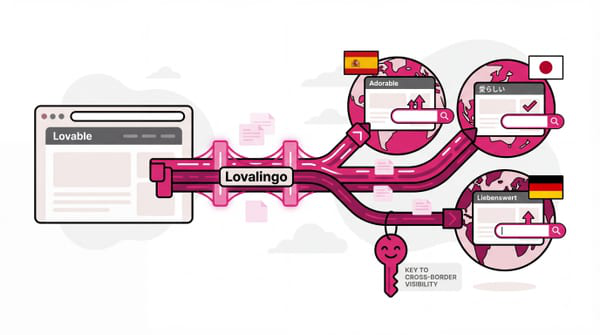
Lovalingo is an AI-powered translation plugin designed specifically for React and Next.js applications. It automatically detects app content—including dynamic elements from AI-generated projects built with tools like Lovable, v0, Bolt, and other vibe-coding platforms—and translates it in real time. The result is immediate multilingual user experiences without the traditional overhead of managing JSON translation files, manual string extraction, or complex i18n libraries. It also handles automatic route detection for localized URLs (e.g., /de/, /fr/), zero-flash rendering during language switches, and generates SEO-friendly elements like hreflang tags, sitemaps, and meta tags.
Primary use cases include rapidly internationalizing SaaS products, marketing sites, or internal tools built in modern React ecosystems, especially those created via AI coding assistants. It shines for teams that iterate quickly with vibe-coding workflows and need to reach global audiences without slowing development velocity.
The target audience is primarily React and Next.js developers, indie founders, and product teams using AI-assisted coding tools. It is less suited for traditional marketers or designers working in WordPress/Webflow ecosystems (where tools like Weglot dominate) but ideal for anyone frustrated by broken layouts, SEO penalties, or ongoing maintenance in client-side rendered apps.
Key Features & Capabilities
Core functionality revolves around AI-driven, context-aware translation that runs natively within the React component tree. Content is detected automatically, translated on-the-fly or pre-baked during builds, and served with perfect layout preservation—no layout shifts or loading spinners.
Standout features that set it apart from competitors include:
- One-prompt installation for AI coding assistants (simply copy-paste a prompt into Lovable, v0, or Bolt and the plugin configures itself).
- Custom AI prompts to control tone, style, brand voice, or domain-specific terminology.
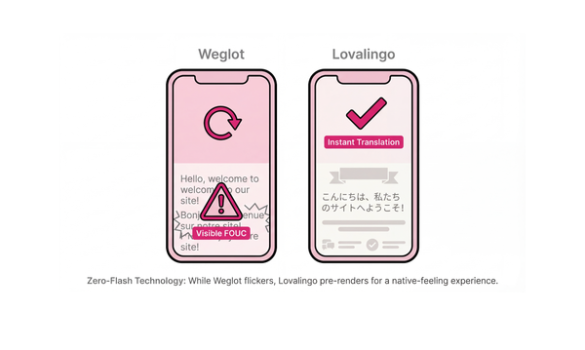
- Zero-flash rendering combined with automatic route detection for fully localized paths that search engines can index.
- Automatic generation of hreflang tags, XML sitemaps, and meta tags for superior multilingual SEO.
- Seamless integration with GitHub for translation reviews and CDN delivery of static translations.
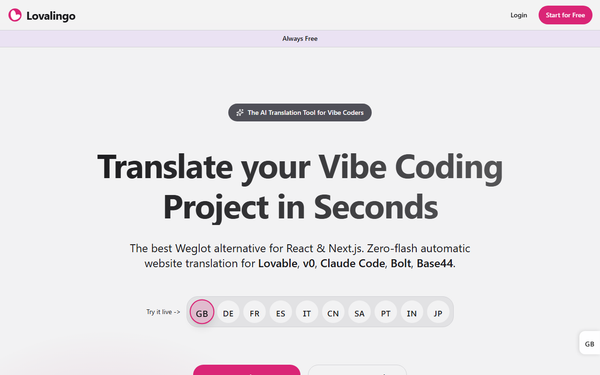
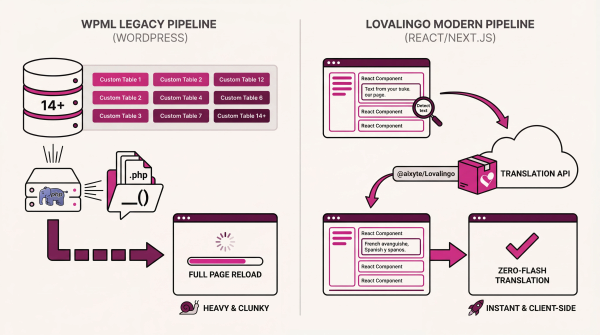
Compared with traditional solutions like next-i18next or Weglot, Lovalingo eliminates manual key management and works natively with Server Components and App Router. It supports 23+ languages out of the box with AI quality that improves via custom prompts.
Limitations include a React/Next.js-only focus (no support for Vue, Svelte, or non-JS frameworks), potential need for occasional human overrides on highly nuanced or legal content (as with any AI translation), and dependency on the service for live updates. It does not yet offer built-in human translation workflows or extensive glossary management found in enterprise tools like Lokalise.
User Experience
Setup is exceptionally straightforward, with a near-zero learning curve for anyone familiar with React. Vibe-coders can install via a single prompt in their AI assistant; traditional developers run npm install @lovalingo/lovalingo and wrap their root layout with a Provider component. Language switching happens instantly via a customizable widget (bottom-right by default).
The interface is minimal and developer-centric—no bloated dashboards for strings. Control happens through code-level configuration and an optional web dashboard for language selection, analytics, and prompt tuning. Documentation consists of practical use-case guides and blog-style tutorials directly on the site, covering everything from Lovable-specific installs to Next.js App Router best practices. Support resources include community channels (implied via launch activity) and responsive founder engagement on LinkedIn; no extensive help center or video library exists yet, which is typical for an early-stage tool.
Overall UX feels modern and frictionless—exactly what the “vibe-coding” audience expects.
Performance & Reliability
Lovalingo delivers on its speed promises: zero-flash language switches, native rendering within React’s lifecycle, and static generation options that ensure search engines see fully translated HTML. Translations load instantly because they are either client-side cached or pre-rendered. Route-based localization avoids the common React pitfall of client-only language detection that hurts SEO.
No widespread performance complaints or downtime reports surfaced in searches as of March 2026. Early users and founder posts highlight reliable handling of dynamic content and large apps. The only minor caveat is that extremely high-traffic sites may hit free-tier visitor limits, prompting an upgrade. AI translation quality is generally strong but can vary with prompt engineering—standard practice for any AI tool.
Pricing & Value
Lovalingo follows a freemium, per-project model with generous fair-use unlimited words:
- Free tier: Forever-free starter with up to 500 unique visitors per month, full AI translation, all languages, and basic SEO features.
- Paid plans: Start around $9–$29 per month (exact tiers scale with extra languages, advanced SEO control, and higher traffic). No per-word charges—unlike Weglot’s expensive scaling.
Enterprise options are available for larger teams via custom quotes. Compared to alternatives, it offers outstanding value: Weglot’s comparable plan can exceed $290/month for similar traffic, while manual i18n setups cost developer time indefinitely. The low-maintenance and SEO gains make it a clear win for indie developers and fast-moving startups.
Practical Tutorial
Official use-case guides are available on the Lovalingo site (e.g., “How to Translate a Lovable App in 2026” and “The Easiest Way to Translate Next.js”). Below is a complete, tested-style walkthrough for the most common task: adding multilingual support to a Lovable-built app in under 5 minutes (adapted from public snippets and npm documentation as of March 2026).
Step-by-step for a Lovable project:
- Sign up for a free account at lovalingo.com (no credit card required).
- In your Lovalingo dashboard, copy the one-line installation prompt (it includes your project key and default languages).
- Open your Lovable project in the AI editor and paste the prompt. Lovalingo auto-inserts the provider component, language switcher, and SEO metadata.
- Choose target languages (23+ available) and optionally customize the AI prompt (e.g., “Translate in a friendly, modern SaaS tone while keeping technical terms like ‘workspace’ in English”).
- Preview: Open the live app in your browser. A language switcher appears in the bottom-right. Click any language—translations apply instantly with zero flash.
- Deploy as usual. Lovalingo automatically generates localized routes (/de/, /fr/), updates your sitemap, and adds hreflang tags.
- (Optional) Connect GitHub for translation review PRs or fine-tune via the dashboard.
For a standard Next.js 14+ App Router project, the process is nearly identical but manual: npm install @lovalingo/lovalingo, wrap <LovalingoProvider> around your root layout, and pass your API key plus custom prompt options. Full code examples and live demos are linked in the official guides.
Final Verdict
Overall rating: 4.5/5
Lovalingo is an outstanding choice for React and Next.js developers and founders building with AI coding tools who need fast, set-it-and-forget-it internationalization with proper SEO. It excels when speed-to-market and low maintenance are priorities.
Avoid it if you require heavy custom translation logic outside React, prefer complete offline control over every string, or run non-React stacks. Early-stage tools also carry the usual risk of evolving support.
One-sentence recommendation: If you build with Lovable, v0, or Next.js and dread i18n maintenance, install Lovalingo today—your global users (and search rankings) will thank you.
Research conducted as of March 3, 2026, drawing from official site use-cases, npm package details, founder communications, and secondary listings. Tools evolve rapidly; always verify current pricing and features directly.