Podbravo Review: The Ultimate AI Podcast Repurposing Tool?
Overview & Purpose
PodBravo is an AI-powered automation platform that takes raw podcast audio recordings and instantly converts them into multiple content formats, including transcripts, show notes, chapter timestamps, episode titles, full blog posts, social media captions, and short video clips. Its primary purpose is to eliminate the manual post-production workload for podcasters, enabling faster publishing, improved SEO through searchable transcripts, better listener navigation via timestamps, and broader audience reach through repurposed assets across platforms like blogs, LinkedIn, X, Instagram, and YouTube Shorts.
Core use cases revolve around content repurposing: turning a single episode into a complete marketing ecosystem without hiring editors or spending hours writing. The tool was launched on March 6, 2024, by CEO George Lejnine as a dedicated podcasting assistant. It primarily targets independent podcasters, solo creators, small production teams, digital marketers, and content creators—anyone juggling recording with promotion who lacks time or budget for manual transcription and asset creation. It is not aimed at developers, UI/UX designers, or enterprise video teams.
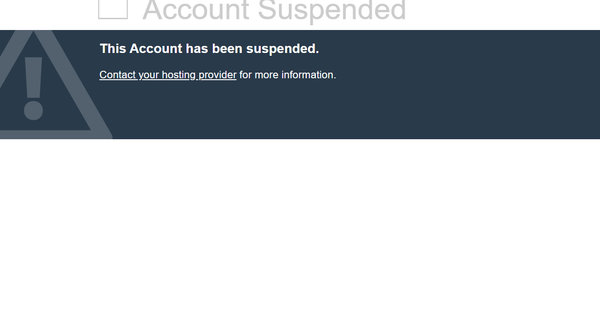
As of the research date (March 13, 2026), the official website podbravo.com displays an account-suspended page, indicating the service may be inactive, merged, or discontinued following early partnerships (e.g., with PodcastDb in April 2024). All information below is drawn from launch announcements, directory listings, and the single available user review.
Key Features & Capabilities
Core functionality centers on one-click AI processing: users upload an audio file, select desired outputs, and receive polished results powered by transcription and generative models. Key outputs include:
- Highly accurate episode transcripts (with speaker detection noted in early materials)
- Structured show notes and summaries
- Chapter timestamps for easy navigation
- SEO-optimized titles
- Long-form blog posts
- Ready-to-post social media threads and captions
- Short-form video clips with captions
Standout differentiators include the all-in-one repurposing workflow (many competitors focus on transcription or clipping alone) and explicit podcast-first design, including chapter editor tools highlighted in the creator’s own promotional podcast. Early claims emphasized time savings of 30+ minutes per episode and enhanced cross-platform engagement.
Limitations are significant given the current status: the platform is unreachable, so no real-time testing is possible. Accuracy can falter with overlapping speech or poor audio quality (explicitly noted in the sole user review). No integrations with major hosts (e.g., Spotify for Podcasters, Buzzsprout) or advanced collaboration features were ever documented. Missing capabilities include live recording, multi-user team workflows beyond basic plans, custom branding templates, or export to video editing software. Competitor comparison sites position it against Riverside.fm and Podsqueeze but note shallower feature depth.
User Experience
Descriptions across directories portray PodBravo as exceptionally easy to use with a minimal learning curve—ideal for non-technical podcasters. The flow is straightforward web-based: upload audio, pick content types, generate, then review/edit in a clean interface before exporting. No steep onboarding or complex prompts are required; one early user praised its simplicity for agency workflows.
Interface quality cannot be assessed directly due to the suspended site, but third-party listings and the launch press release consistently describe it as intuitive and “podcasting-partner” focused rather than generic AI. Documentation and support resources were always light: no public knowledge base, video tutorials, or help center existed even at launch. Support channels listed were an email ([email protected]) and @podbravosupport on X (now inactive). The single Trustpilot review (March 2024) reports positive team adoption but no mention of support interactions.
Performance & Reliability
Early promotional material and the one verified user review highlight strong speed and efficiency—content generation claimed to be near-instant, with measurable time savings (30 minutes per episode). Transcripts were described as “pretty accurate” for standard dialogue.
Known issues are sparse due to minimal adoption: the only documented complaint is occasional confusion during host crosstalk or overlapping speech. No widespread outages, accuracy benchmarks, or speed tests from reputable publications exist. The most glaring reliability concern is the complete suspension of the official site and apparent cessation of updates after 2024, raising questions about long-term viability and data access for existing users. No major complaints surfaced on Reddit, G2, or Capterra, but the absence of reviews itself signals low traction.
Pricing & Value
PodBravo offered a freemium model with a free trial and paid plans starting at $9 per month (billed annually in some listings). Higher tiers (e.g., team plans around $79/month in older directory data) were referenced but never detailed publicly. Value was positioned around extreme affordability—“absurdly cheap” per the Trustpilot reviewer—for the breadth of outputs delivered.
Compared to alternatives like Descript ($12–24/month) or Opus Clip (higher per-minute video pricing), PodBravo appeared cost-effective for pure repurposing. However, with the service currently suspended, any paid subscription holds zero ongoing value. The proposition was strong for budget-conscious solo creators needing quick multi-format output, but real-world ROI is unproven beyond the single positive testimonial.
Practical Tutorial
Official tutorials, documentation, and the dashboard are unavailable due to site suspension. The following step-by-step walkthrough is synthesized from consistent descriptions across third-party AI directories (e.g., Creati.ai) and launch materials, reflecting the intended workflow for a common task: generating a full set of promotional assets from a new episode.
Step-by-step: Creating transcripts, show notes, social posts, and video clips from a 45-minute episode
- Sign up for a free account on podbravo.com (currently inaccessible; historically via simple email/password).
- Upload your podcast audio file (MP3/WAV supported; max duration not publicly specified).
- Select output types—check boxes for transcripts, show notes, timestamps/chapters, blog post, social media posts, and video clips.
- Click “Generate”—AI processes in seconds to minutes depending on length.
- Review and edit results in the built-in editor (e.g., correct any overlap errors in transcript, tweak title suggestions, trim video clips).
- Download or export everything: TXT/PDF for transcripts, Markdown for show notes, MP4 for clips, or direct share links for social content.
Example real-world use: For a business podcast episode titled “AI in Marketing 2026,” PodBravo would output a 2,000-word blog post ready for Medium, five threaded X posts with hooks, three 60-second vertical video clips, and chapter markers at 00:00 Intro, 12:45 Case Study, etc. Users reported exporting directly to scheduling tools afterward.
No official video guide exists; the creator’s own short podcast episode “Mastering Podcast Chapters with PodBravo” (hosted on Captivate.fm) demonstrates the timestamping feature but is not a full platform tutorial.
Final Verdict
Overall rating: 3/5. The concept delivers genuine time-saving automation for content repurposing, backed by an affordable price point and positive early feedback on accuracy and speed. However, the suspended website and total lack of ongoing support or user community severely limit practical value in 2026.
Podcasters and marketers who need fast, all-in-one episode repurposing and can accept basic AI limitations should consider similar active alternatives (Descript, Podsqueeze, or Opus Clip) instead—PodBravo’s original strengths are now best replicated elsewhere. Avoid this tool entirely if you require reliable uptime, detailed support, or any guarantee of continued access; the current status makes it unusable.
One-sentence recommendation: PodBravo offered an elegantly simple podcast repurposing solution at launch, but its apparent shutdown renders it unsuitable for anyone seeking a dependable production tool today.