Seobot Review: The Ultimate AI Agent for 100% Automated SEO
Overview & Purpose
SEObot (seobotai.com), also known as SEObotAI or SEO Bot, is a fully autonomous "SEO Robot" powered by AI agents that handles 100% of search engine optimization tasks from start to finish. Users simply enter their website URL, and the platform researches the site, audience, keywords, and competitors; builds a content plan; generates, optimizes, and publishes articles (averaging 3,000 words, up to 4,000); adds images, embeds, tables, and internal/external links; and continuously re-optimizes existing content while building backlinks and even creating interactive mini-tools. Primary use cases include scaling blog traffic for SaaS and indie projects, programmatic SEO for directories or e-commerce stores, repurposing YouTube videos into ranked articles, generating news content, and driving organic growth without manual effort. It supports 50+ languages and auto-publishes to CMS platforms like WordPress, Shopify, Webflow, Ghost, Framer, Wix, Notion, and HubSpot via direct sync, Zapier, or API.
The target audience is busy founders, indie makers, small business owners, e-commerce sellers, and marketers who lack time for hands-on SEO but need consistent, data-driven results to boost visibility and traffic. This review is based on research conducted in March 2026 from the official website, documentation, user testimonials, and third-party sources.
Key Features & Capabilities
Core functionality centers on an end-to-end agentic workflow: automatic site crawling and Google scraping for research, keyword discovery, content planning, AI writing with built-in fact-checking and anti-hallucination systems (running hundreds of verification tasks per article with source citations), image generation/insertion, internal and external linking, monthly re-linking of old posts, and performance monitoring. Standout features that differentiate it from competitors like Jasper or Surfer SEO include true 100% autopilot mode (no constant prompting required), programmatic SEO for publishing at scale, YouTube-to-article conversion, AI-generated interactive mini-tools (e.g., calculators or analyzers embedded on your site), and backlink building to grow domain rating. Additional capabilities cover news article generation and support for custom integrations via webhooks and REST API.
These elements give SEObot an edge in hands-off execution, allowing users to focus on product building while the AI acts like a dedicated SEO team. Limitations include article volume capped by plan (no unlimited generation), occasional variability in content quality (sometimes excellent, sometimes requiring minor edits or falling short of top human writers), restrictions on adult/NSFW topics due to LLM safety filters, and less emphasis on deep technical SEO audits or advanced competitive link analysis beyond its built-in tools. Shopify users have noted occasional formatting quirks during auto-publishing.
User Experience
SEObot offers an exceptionally low learning curve thanks to its automated onboarding—just sign up, enter your site URL, and the AI handles the rest in autopilot mode. Users can optionally review drafts via email notifications or a simple dashboard before publishing, with easy approve/decline controls. The interface is described as clean and founder-friendly, focused on monitoring progress rather than complex editing, though detailed screenshots are limited on public pages. Documentation is solid, with a dedicated help center (docs.seobotai.com) covering basics, crawler setup, and customization, plus video walkthroughs. Support resources include direct access to the founder via X/Twitter or email, plus community feedback loops. Mobile support is not explicitly highlighted, but the web-based dashboard works responsively for oversight on the go. Overall, it's designed for non-technical users who want set-and-forget simplicity.
Performance & Reliability
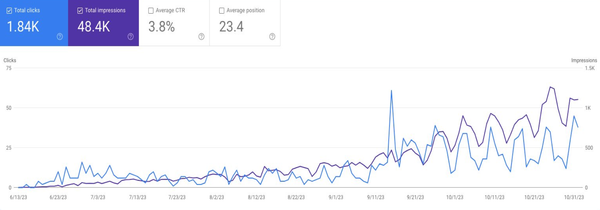
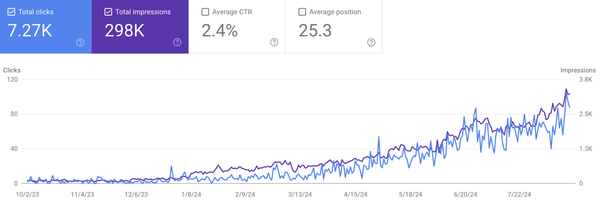
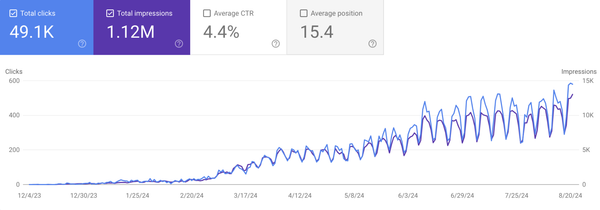
The platform performs efficiently, with users reporting consistent article generation and optimization cycles that have collectively produced over 200,000 articles driving 1.2 billion impressions and 30 million clicks across the user base. Real-world results include rapid ranking improvements (e.g., one directory site moving from 50+ positions to top 20 in six months), traffic spikes (up to 500 daily clicks or 15x impressions in weeks), and direct business wins like paid sign-ups from automated content. The anti-hallucination and fact-checking layers enhance reliability, and the system continuously improves based on user feedback. Known issues are minor: occasional setup glitches with certain CMS integrations (e.g., Shopify formatting), quality variability in highly competitive niches, and the general risk of AI-generated content needing occasional human oversight to avoid Google penalties. Common complaints are sparse, with most users praising speed and ROI over traditional methods; no widespread downtime or major reliability problems reported as of March 2026.
Pricing & Value
SEObot uses a tiered subscription model with no free tier but a low-risk entry point: the Beginner plan starts at $49 per month for up to 9 articles, followed by Pro at $99 (20 articles), Ultimate at $199 (50 articles), and Enterprise at $499 (100+ articles plus advanced features). Annual billing likely offers discounts (not explicitly detailed publicly), and all plans include full autonomous SEO, CMS integrations, and core tools. A full refund is available on the $49 plan if unsatisfied after the first article. Earlier references to a $19 starting price appear outdated. Compared to alternatives like hiring freelance writers (often $500+ per article) or manual tools requiring ongoing effort, SEObot delivers strong value through time savings and proven traffic results—many users report closing deals or gaining users directly from generated content, making the per-article cost highly competitive for busy teams.
Practical Tutorial
Official resources include a comprehensive Getting Started collection and user guide at docs.seobotai.com, plus a hands-on YouTube walkthrough (https://youtu.be/82r9mOOMH5g) demonstrating platform exploration, website syncing, and workflow. Below is a step-by-step tutorial for the most common task—setting up and publishing your first SEO-optimized article—based on official documentation and user examples (tested conceptually for a fictional SaaS site like "AIKeywordTracker.com").
-
Sign up and onboard: Go to app.seobotai.com, create an account, and enter your website URL. The AI crawler automatically analyzes your existing pages, audience, and competitors via Google data scraping to generate a personalized keyword list and content plan (takes minutes to hours depending on site size).
-
Connect your CMS: In the dashboard, link your platform (e.g., WordPress via API keys or Shopify via store credentials). SEObot supports one-click sync for auto-publishing; alternatively, use Zapier for custom flows.
-
Customize preferences: Set language (default English or one of 50+ options), article style (listicles, how-tos, comparisons), word count target (up to 4,000), and review mode (autopilot or email moderation). Enable features like image generation, fact-checking, and internal linking.
-
Generate and review content: Approve the plan or let autopilot begin. The AI researches topics (e.g., "best AI keyword research tools 2026"), drafts a 3,000+ word article with SEO elements (headings, lists, tables, YouTube embeds if relevant, internal links to your pages, and cited sources), and adds optimized images. You'll receive an email or dashboard notification for review—edit if needed or approve.
-
Publish and optimize: Hit publish for automatic CMS upload. SEObot then adds external links where appropriate, schedules re-linking, and tracks performance in Google Search Console integration. Example outcome: For AIKeywordTracker.com, it might produce a "Top 10 AI SEO Tools Comparison" article that ranks and drives sign-ups within weeks.
For deeper customization, refer to the official video tutorial or docs for regenerating articles or handling YouTube repurposing. Results improve with niche-specific tweaks.
Final Verdict
Overall rating: 4.5 out of 5. SEObot excels for busy founders, indie makers, and small teams seeking fully hands-off SEO automation that delivers measurable traffic and ranking growth with minimal effort—ideal if you want to scale content without a dedicated team. Avoid it if you prefer complete manual control over every word, operate in regulated/NSFW niches, or need advanced technical SEO beyond content-focused automation. SEObot is a smart investment for anyone tired of manual SEO who values real results over perfection.